
Living with Ehlers-Danlos Syndrome and Hypermobility Spectrum Disorder: A Comprehensive Guide to Management
Living with Ehlers-Danlos Syndrome (EDS) and Hypermobility Spectrum Disorder (HSD) can take a significant toll on both physical and mental health. The unpredictable and often debilitating nature of these conditions commonly results in chronic pain and profound fatigue, deeply impacting one’s quality of life.
What is Ehlers-Danlos Syndrome?
Ehlers-Danlos Syndrome (EDS) comprises a group of genetic connective tissue disorders characterized by joint hypermobility, skin hyperextensibility, and tissue fragility. These conditions affect the body’s ability to produce collagen, a critical protein that provides strength and elasticity to skin, joints, blood vessels, and organs.
Common symptoms include:
- Joint dislocations
- Chronic pain
- Easy bruising
- Poor wound healing and scarring
- Multi-organ complications
EDS is complex, featuring multiple subtypes with varying symptoms and severities, requiring individualized management strategies.
Chronic Pain: Addressing an Ongoing Challenge
The persistent, often severe chronic pain associated with EDS and HSD frequently resists standard treatments, leaving individuals frustrated and overwhelmed. This relentless pain significantly impacts mood, potentially leading to anxiety or depression due to the uncertainty and physical limitations it imposes.
Management typically involves:
- Analgesic therapies
- Physical therapy
- Gentle bodywork
- Mind-body techniques
Chronic pain perception can be exacerbated by neuroinflammation, autoimmune responses, or mast cell and histamine reactions. Identifying and managing these underlying inflammatory triggers can greatly reduce pain levels.
Fatigue: Beyond Simple Tiredness
Fatigue in EDS and HSD is profound, persistent, and not easily relieved by rest. It significantly impacts cognitive functions like memory and concentration, making daily tasks overwhelming. The resulting difficulty in maintaining work, social interactions, and personal care routines often leads to social isolation, compounding loneliness and anxiety.
Moreover, individuals frequently face skepticism about their condition due to their often “normal” appearance, leading to feelings of invalidation and heightened emotional distress.
Why Diagnosis Matters
Diagnosis is crucial yet challenging, as EDS, particularly hypermobile EDS (hEDS), lacks a definitive genetic marker. Diagnosis relies on clinical assessments including Beighton scores, family history, and ruling out similar disorders.
Early diagnosis benefits patients by:
- Initiating joint-stabilizing rehabilitation early
- Documenting necessary accommodations for school or work
- Screening for associated conditions like dysfunction of the nervous system (“dysautonomia”), gastrointestinal dysmotility, hormonal imbalance, mast cell activation and histamine reactions, and many others.
- Protecting mental health by providing validation and clarity
If you suspect EDS or HSD, insist on comprehensive evaluation rather than a cursory flexibility test.
A Functional Medicine Approach: Treating the Root Causes
At Vida Integrated Health, we approach EDS as a systemic condition, focusing on addressing root causes that exacerbate pain and tissue fragility:

Combining personalized nutrition, lifestyle modifications, and evidence-based supplementation with hands-on rehabilitation can significantly enhance cognitive function, reduce joint pain, and decrease debilitating “crash days.”
Movement Strategies: Move Smarter, Not Harder
We emphasize gentle stabilization exercises initially, such as isometric movements (e.g., wall planks and mini-squats), to reinforce joint stability.
Additional techniques include:
- Blood-Flow Restriction (BFR) Training: Allows muscle strengthening with reduced load, essential for fragile tendons.
- Myofascial Decompression & Dry Needling: Alleviates trigger points and enhances joint awareness to minimize unexpected dislocations.
Safe Pain Management
Long-term use of NSAIDs or opioids can worsen gastrointestinal and vascular fragility or lead to tolerance and dependence. Instead, safer strategies include:
- Low-Dose Naltrexone (LDN) for neuroinflammation
- Palmitoylethanolamide (PEA) and Specialized Pro-Resolving Mediators (SPMs) to hault the inflammatory response
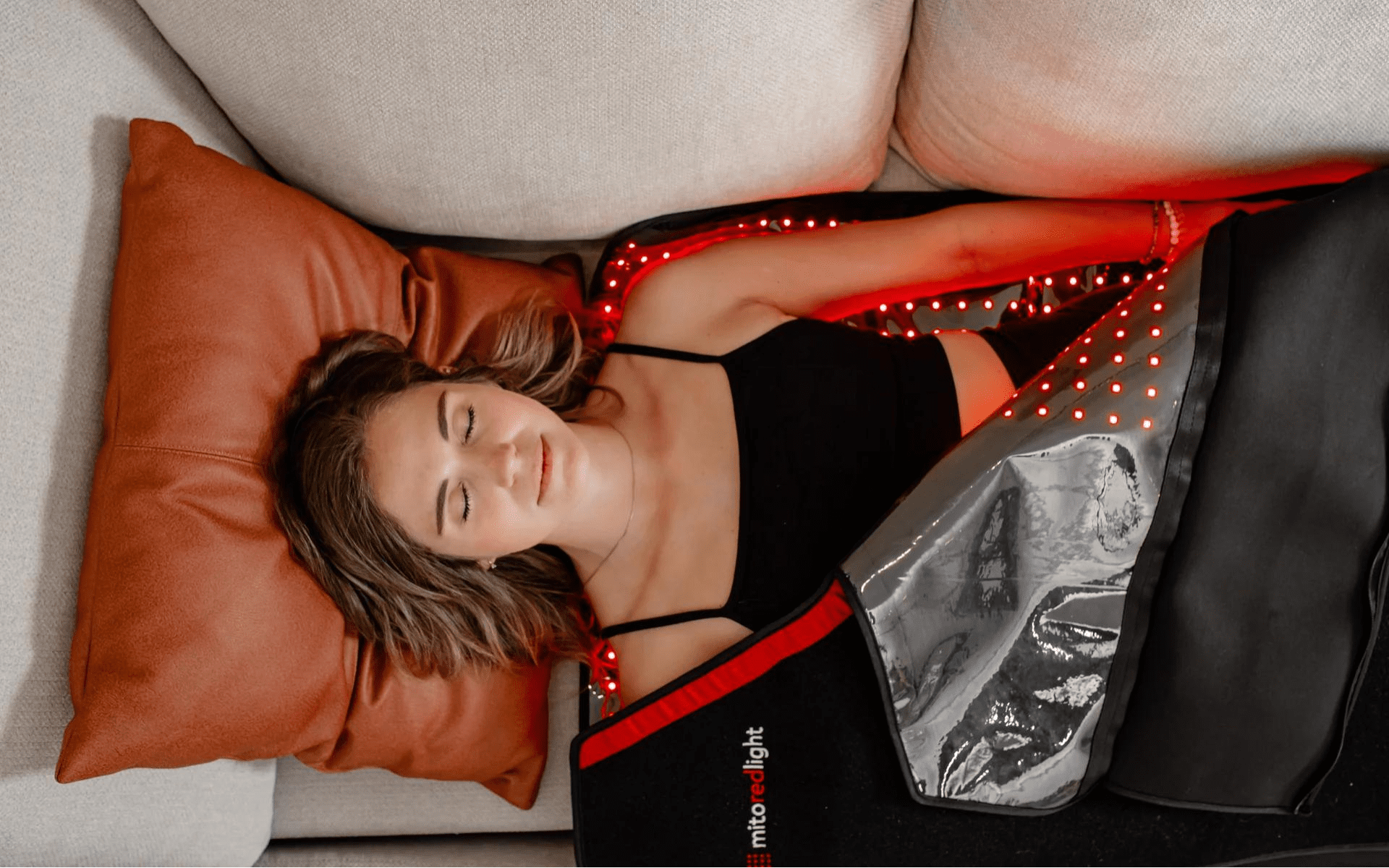
- Red-Light Therapy and Pulsed-Electromagnetic Field (PEMF) therapy for tissue regeneration
- Acupuncture to balance limbic system responses
Fatigue Management: The “4 P’s” Strategy
To combat fatigue, we recommend the following energy-budgeting approach:
- Plan: Outline your daily schedule, including appointments and meals.
- Prioritize: Select three essential tasks and defer the rest.
- Pace: Implement 25-minute work intervals with short breaks for rest and hydration.
- Position: Perform tasks seated or lying down whenever possible.
Integrating this approach with robust sleep hygiene (consistent sleep schedule, magnesium glycinate supplementation, and blue-light blockers) can help reclaim daily productivity.
Mental Health and EDS
Anxiety and depression affect nearly half of individuals with hypermobile conditions, reflecting the systemic nature of collagen fragility that even extends to brain tissue. Thus, mental and emotional support becomes integral to comprehensive care.
Ready for a Personalized, Integrated Approach?
If standard advice has left you feeling unsupported, it’s time for an integrated solution. At Vida Integrated Health, our multidisciplinary team—including functional medicine physicians, physical therapists, chiropractors, acupuncturists, and massage therapists—works together to create customized care plans.
Step 1: Request an appointment with our Concierge Functional Medicine Primary Care physician, Brandilyn Binstock, ND, IFMCP.
Step 2: Receive your personalized multi-disciplinary care roadmap.
Step 3: Begin experiencing meaningful improvement in your overall health and wellness.
Bottom Line
Ehlers-Danlos Syndrome is not “all in your head,” nor is it an inevitable sentence of chronic pain. By addressing root causes, employing strategic movements, and finding community support, you can reclaim control of your health. Together, let’s build stronger collagen—and stronger lives.


Your Neighborhood
Health Team
Contact Us
The Benefits of Red Light Therapy

Your A1C Is Normal. So Why Do You Still Feel Off?

Premature Ejaculation: Causes, Treatments, and What Actually Works

This website uses cookies for Marketing Purposes. To learn more, see our Privacy Policy.