
Osteoarthritis vs. Rheumatoid Arthritis: What Actually Helps
Both osteoarthritis and rheumatoid arthritis share a name and cause significant joint pain, yet they stem from entirely different causes and require distinct care paths. Many individuals remain unsure which condition they have or why the distinction is critical for their long-term mobility. Understanding the specific mechanisms behind these conditions is the first step toward effective management. This blog provides a clear explanation of their differences and an honest look at supportive treatments that actually help.
What Is Arthritis, and What Causes It?
Arthritis serves as an umbrella term for over a hundred conditions affecting the joints, with osteoarthritis and rheumatoid arthritis being two of the most common.
What is Osteoarthritis?
Osteoarthritis is the most common type of arthritis, characterized by gradual changes in the joint structure. It frequently affects the knees, hips, hands, and spine. While historically described simply as “wear and tear,” current medical understanding recognizes that osteoarthritis involves active changes throughout the entire joint, not just the loss of cartilage (Peng et al., 2025) (Yue & Berman, 2022).
What is Rheumatoid Arthritis?
Rheumatoid arthritis is an autoimmune condition where the body’s immune system mistakenly targets the synovium, the delicate lining of the joints. This condition often affects the same joints on both sides of the body, such as both hands or both feet, and can cause significant systemic fatigue. Rheumatoid arthritis requires a formal medical diagnosis and ongoing care from a physician, typically a rheumatologist or specialized Functional Medicine Physician, as early and consistent treatment is vital (Brown et al., 2024).
What Is the Difference Between Osteoarthritis and Rheumatoid Arthritis?
Certain plain signals can help distinguish between the two, though they do not replace professional evaluation. Morning stiffness lasting longer than one hour, visible swelling, joint warmth, or symmetrical joint pain strongly point toward an inflammatory condition like rheumatoid arthritis. Conversely, osteoarthritis stiffness often resolves more quickly with movement. Ultimately, only a clinical evaluation involving laboratory tests and imaging can confirm what you may be experiencing.

Is Arthritis Just Part of Getting Older?
Joint pain is common, but it is not an inevitable part of aging. Factors like genetics, past joint injuries, and cumulative joint load play significant roles, particularly in osteoarthritis. Rheumatoid arthritis, on the other hand, can begin at any adult age. Both conditions are highly manageable with the right approach, allowing individuals to maintain active and fulfilling lives.
What Helps Osteoarthritis and Rheumatoid Arthritis?
For rheumatoid arthritis, medical treatment led by a rheumatologist can be a great foundation for your care (Brown et al., 2024). The approaches detailed below are supportive options that work alongside medical care to improve comfort and function.
Chat with your Vida Functional Medicine provider, Physical Therapist, or Chiropractor if you suspect you may have arthritis.
Exercise and Strengthening: The Foundation
A lot of people think that exercise makes arthritis worse, but it is actually the opposite. Therapeutic exercise has the strongest clinical support for managing joint conditions, such as arthritis. For osteoarthritis, targeted strengthening helps stabilize the joint and reduce pain (Nguyen et al., 2016). Similarly, tailored exercise programs for rheumatoid arthritis improve function and reduce systemic inflammation (De Souza et al., 2026). Physical therapists design these programs specifically for the affected joint, the exact condition, and the individual’s current capacity, ensuring movement remains safe and beneficial. All subsequent treatments are primarily utilized to help people move comfortably, so they can participate in these essential strengthening activities.
Chiropractic Adjustments and Mobilization: Are They Safe with Arthritis?
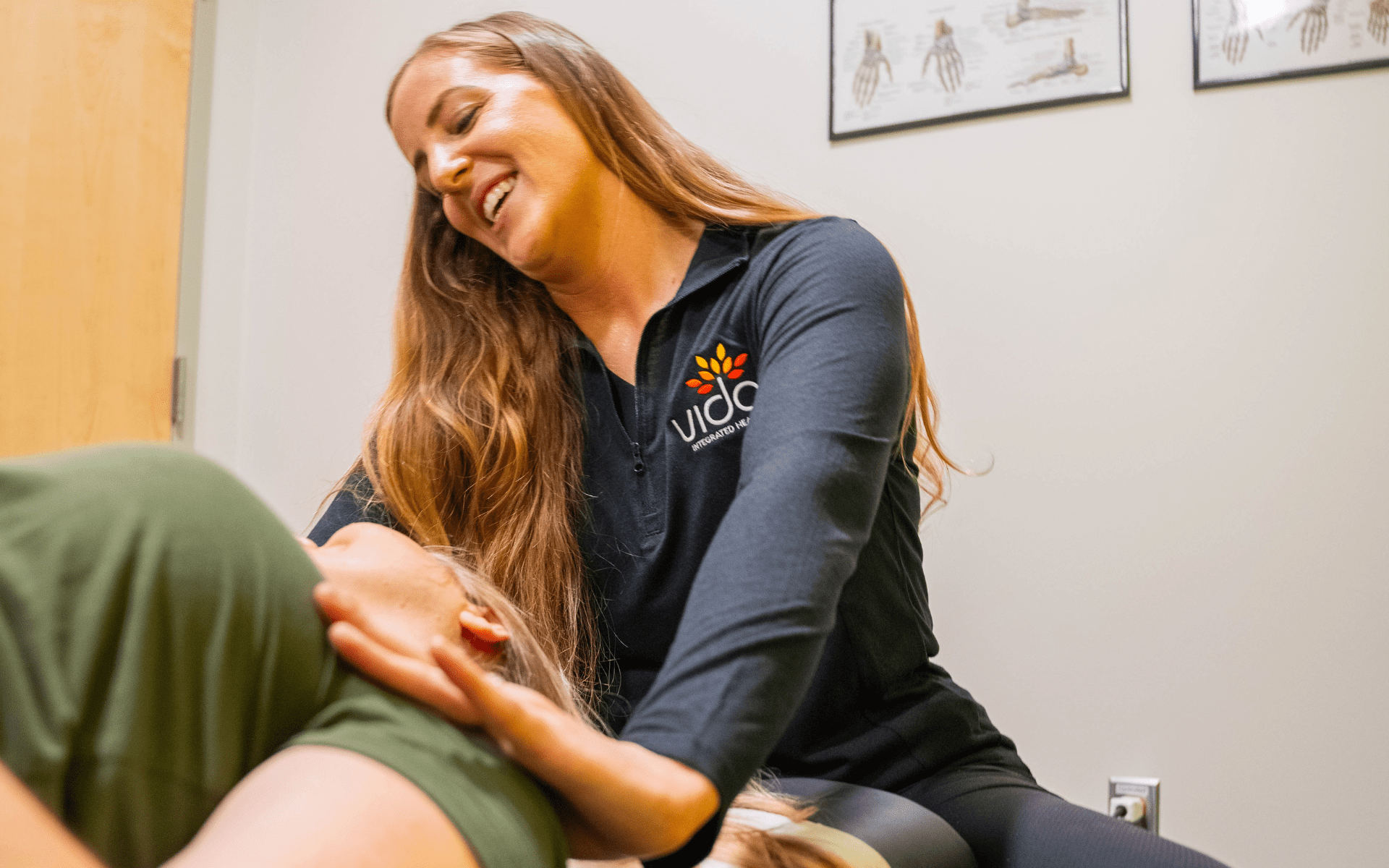
Chiropractic care can be safely adapted to the specific arthritis diagnosis. Gentle options, such as low-force techniques and joint mobilization, are often utilized to improve range of motion. Thorough evaluation always comes first, and certain techniques, like high-velocity neck manipulation, may not be appropriate for individuals with active inflammatory arthritis like rheumatoid arthritis.
Many chiropractors will use gentle techniques, such as the activator method or soft tissue manipulation to treat patients with arthritis.
Does Soft Tissue Work Help Arthritis?
Massage therapy and specific soft tissue techniques by a Chiropractor can provide pain relief from discomfort and muscular stiffness surrounding affected joints. This supports overall comfort and mobility, making daily activities and exercise easier.
Does Shockwave Therapy Help Arthritis?
Research on shockwave therapy is predominantly focused on knee osteoarthritis. Some studies indicate it can offer short-term improvements in pain and physical function for osteoarthritic knees, though the quality of evidence varies (Avendaño-Coy et al., 2020). It is considered a promising modality still being studied for osteoarthritis. Currently, it is lacking evidence to suggest it is effective for rheumatoid arthritis or other joint areas.
Does Laser Therapy Help Arthritis?
Low-level laser therapy, also known as photobiomodulation, can be used for joint pain. Current evidence primarily supports its use for reducing osteoarthritis pain, though clinical results are mixed and heavily dependent on the specific dosage and application technique (Hennessy & Corcoran, 2025). Laser therapy is a gentle treatment that can reduce inflammation and support healing. It is best viewed as a supportive option to help individuals treat their osteoarthritis discomfort.
Where Acupuncture Fits into Arthritis Treatment
Acupuncture is often utilized as a complementary approach for pain management. Clinical evidence supports its efficacy in helping manage pain and improving comfort for individuals with rheumatoid arthritis (Chou & Chu, 2018). Its specific benefits for osteoarthritis remain more generalized.
Acupuncture is a low risk treatment method for pain management and more. Everybody can benefit from acupuncture because of its homeostatic effects that help the body regain balance and function better. Among the therapies available for pain, acupuncture is among the most effective and best at treating most types of pain without causing harmful side effects.
Why Combining Treatments Often Works Better Than Relying on One
Joint conditions are complex, and a single intervention is rarely sufficient. Vida Integrated Health utilizes a collaborative care model where chiropractors, physical therapists, acupuncturists, massage therapists, and functional medicine practitioners work together in the same clinic and meet weekly to discuss patient progress. These coordinated care plans reflect multiple clinical perspectives and integrate seamlessly with a patient’s rheumatologist. For example, a patient with knee osteoarthritis might receive targeted strengthening from a physical therapist, supported by soft tissue work to manage compensatory muscle tightness.
Does Weather Make Arthritis Pain Worse?
Yes, changes in weather can affect osteoarthritis pain. Research indicates that specific weather conditions, such as shifts in barometric pressure and humidity, correlate with increased joint discomfort for many individuals with osteoarthritis (Wang et al., 2023). This validates the common experience of weather-related joint pain without overstating the physiological changes.
What the Research Says
Studies examining the relationship between weather and osteoarthritis show that cold, damp conditions and dropping barometric pressure are frequently linked to temporary increases in joint pain and stiffness (Wang et al., 2023). However, the research acknowledges inconsistencies, as not all patients experience these effects, and the exact mechanisms remain under investigation.
Why Cold, Damp Weather Can Make You Move Less
In regions like Seattle, the wet, darker months often lead to a decrease in overall physical activity. Moving less directly contributes to joint stiffness and muscular deconditioning, which can exacerbate arthritis symptoms. Maintaining a consistent, indoor exercise routine during these months is a practical way to counteract stiffness and support joint health.
When Should You Get Joint Pain Checked?
Consider scheduling an evaluation if you experience:
- Persistent joint pain that does not improve with rest.
- Stiffness that interferes with your daily activities.
- Symmetrical joint pain (e.g., affecting both wrists or both knees).
- Morning stiffness lasting longer than one hour.
- Joint pain accompanied by unexplained fatigue.
Red Flag Symptoms:
Seek immediate medical attention from a physician or urgent care if you experience any of the following:
- A joint that is hot to the touch, significantly swollen, or red.
- Joint pain accompanied by a fever.
- Sudden, severe, and incapacitating joint pain.
Get Support for Your Joints at Vida
Managing arthritis requires a clear understanding of your condition and a supportive team. Vida Integrated Health offers coordinated care across six locations: Seattle, Bellevue, Kirkland, Everett, Ravenna, and Renton. Our providers work closely alongside rheumatology care for those with rheumatoid arthritis and offer targeted, integrated plans for osteoarthritis.
To learn more about our approach to joint health, visit our chiropractic care page.

References
- Peng X, Chen X, Zhang Y, Tian Z, Wang M, Chen Z. Advances in the pathology and treatment of osteoarthritis. Journal of Advanced Research. 2025;78:257 – 283. doi:10.1016/j.jare.2025.01.053
- Yue L, Berman J. What Is Osteoarthritis? JAMA. 2022;327(13):1300. doi:10.1001/jama.2022.1980
- Brown P, Pratt AG, Hyrich K. Therapeutic advances in rheumatoid arthritis. BMJ. 2024;384. doi:10.1136/bmj-2022-070856
- Nguyen C, Lefèvre-Colau M, Poiraudeau S, Rannou F. Rehabilitation (exercise and strength training) and osteoarthritis: A critical narrative review.. Annals of physical and rehabilitation medicine. 2016;59 3: 190-195 . doi:10.1016/j.rehab.2016.02.010
- De Souza JD, Rodrigues DFS, Da Silva RCL, et al. Effectiveness of Endurance Training Combined with Strength Exercises on Muscle Strength Gains in Rheumatoid Arthritis: A Systematic Review. Ibnosina Journal of Medicine and Biomedical Sciences. 2026;18:076 – 086. doi:10.1055/s-0046-1819587
- Avendaño-Coy J, Comino-Suárez N, Grande-Muñoz J, Avendaño-López C, Gómez-Soriano J. Extracorporeal shockwave therapy improves pain and function in subjects with knee osteoarthritis: a systematic review and meta-analysis of randomized clinical trials.. International journal of surgery. 2020. doi:10.1016/j.ijsu.2020.07.055
- Hennessy S, Corcoran G. Low-level laser therapy in osteoarthritic pain: A narrative review with an approach to integrated clinical use. Osteoarthritis and Cartilage Open. 2025;7. doi:10.1016/j.ocarto.2025.100685
- Chou P, Chu H. Clinical Efficacy of Acupuncture on Rheumatoid Arthritis and Associated Mechanisms: A Systemic Review. Evidence-based Complementary and Alternative Medicine : eCAM. 2018;2018. doi:10.1155/2018/8596918
- Wang L, Xu Q, Chen Y, Zhu Z. Associations between weather conditions and osteoarthritis pain: a systematic review and meta-analysis. Annals of Medicine. 2023;55. doi:10.1080/07853890.2023.2196439

Your Neighborhood
Health Team
Want to schedule and appointment but unsure about your coverage? Easily find out by using our contact us form. We will check your coverage and send you the results!
Contact Us
Gentle Chiropractic Techniques for Neck Pain

Acupuncture Treatment for Frozen Shoulder

Back Pain, Hip Pain, and Stiffness: Not Just Part of Getting Older

© 2022 Vida Integrated Health. All Rights Reserved.
This website uses cookies for Marketing Purposes. To learn more, see our Privacy Policy.
CONNECT
LOCATIONS
Seattle
Ravenna
Bellevue
Kirkland
Everett