
What is Shockwave Therapy?
What is Shockwave Therapy?
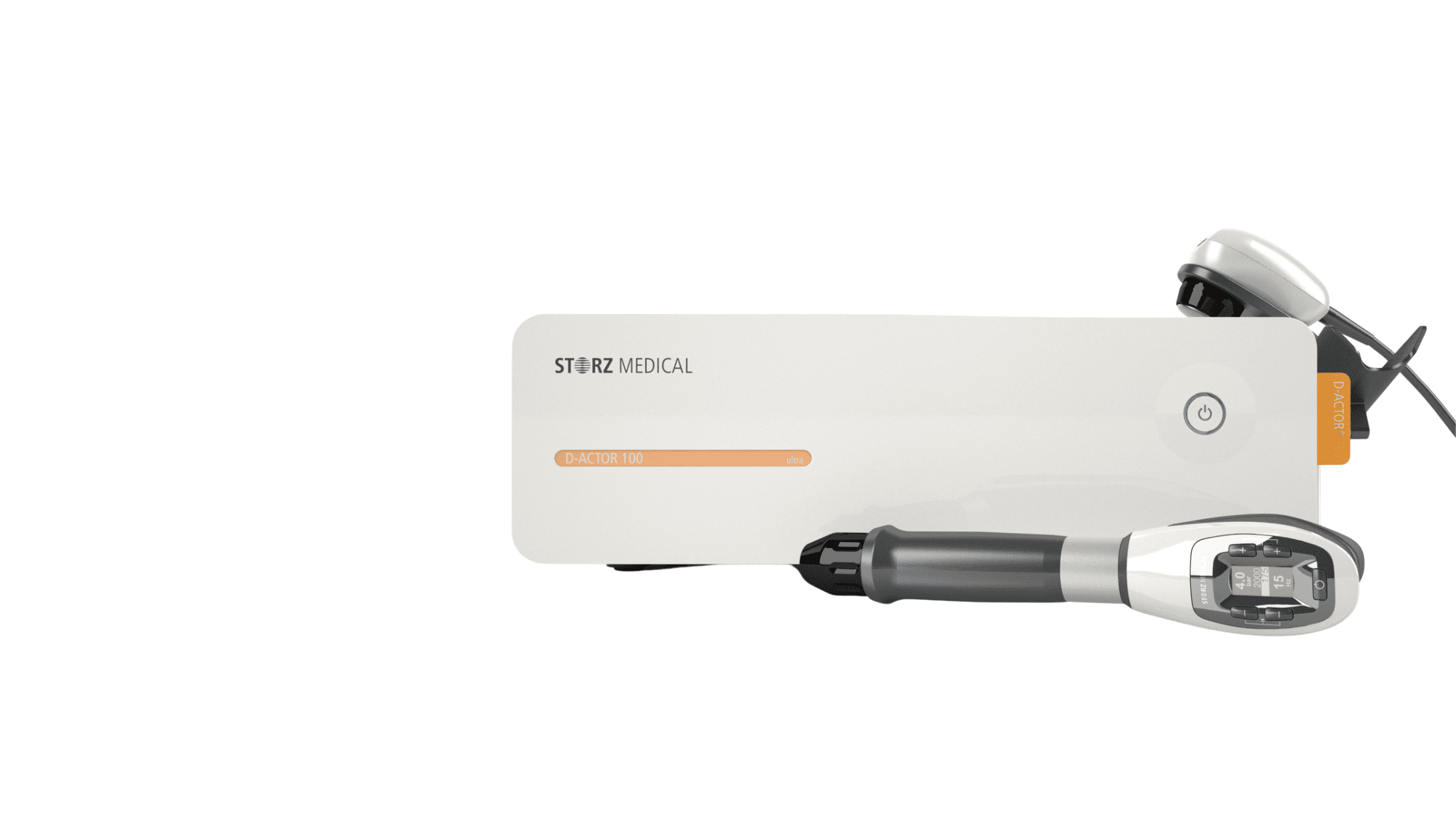
Shockwave therapy is a non-invasive medical treatment that utilizes high-energy acoustic waves to target painful points in musculoskeletal tissues. It is designed to stimulate the body’s natural healing processes, helping to regenerate and repair tissues such as bones, tendons, and muscles. This therapy is especially beneficial for those suffering from subacute, sub-chronic, and chronic conditions. Unlike surgery or injections, shockwave therapy involves no anesthesia, negligible downtime, and carries minimal risks when performed by a physical therapist.
Shockwave therapy was originally developed to treat kidney stones but has since evolved into a versatile treatment for various conditions, ranging from tendonitis like plantar fasciitis and tennis elbow to nerve and connective tissue problems like neuropathy and bursitis. Notably, the therapy is effective beyond musculoskeletal problems—it can also aid in addressing sexual health concerns such as erectile dysfunction (ED).
How Does Shockwave Therapy Work?
Shockwave is a disruptive therapy where acoustic waves create microtraumas in affected tissue, prompting the body’s natural healing response. This energy transfer breaks down calcified tissues and scar tissue, stimulates blood flow, and encourages the formation of new blood vessels—a process known as neovascularization.
Key mechanisms include:
- Increased Blood Flow: Shockwaves improve circulation, which brings oxygen and nutrients to the affected area, speeding up tissue repair.
- Reduced Inflammation: Chronic inflammation often accompanies musculoskeletal conditions, and shockwave therapy helps to mitigate it, reducing pain.
- Scar Tissue Break Down: Over time, scar tissue can form around injured areas, limiting mobility and increasing discomfort. Shockwave therapy breaks down these fibrous tissues, improving flexibility.
- Nerve Stimulation: Shockwave therapy may desensitize nerve endings, offering pain relief while helping the body regain function.
- Collagen Production: Shockwave has been shown to stimulate the production of collagen, which is essential for strengthening tendons, ligaments, and connective tissues.
Conditions Treated by Shockwave Therapy
Shockwave therapy is versatile and can address a wide range of both musculoskeletal and non-musculoskeletal conditions:
Plantar Fasciitis:
- One of the most common causes of foot pain, plantar fasciitis occurs when the thick band of tissue that connects the heel to the toes becomes inflamed. Shockwave therapy reduces inflammation, breaks down scar tissue, and promotes healing in the plantar fascia.
Achilles Tendinitis:
- This condition causes pain in the Achilles tendon, the band of tissue that connects the calf muscles to the heel bone. Shockwave therapy helps alleviate pain and promotes tendon healing in this crucial area.
Bursitis:
- Inflammation of the fluid-filled sacs (bursae) that cushion joints can cause pain and restrict movement. Shockwave therapy targets inflamed tissues, reducing discomfort and inflammation.
Carpal Tunnel Syndrome:
- Carpal tunnel syndrome is a leading cause of hand and wrist issues. It occurs when the median nerve is compressed as it travels through the wrist, leading to numbness, tingling and weakness. Shockwave therapy is an effective and noninvasive treatment for relieving the pressure on the median nerve in the wrist.
Shin Splints:
- Athletes and runners frequently suffer from shin splints, a painful and persistent inflammation of the muscles, tendons and bone of the lower tibia, caused by intense repetitive actions. Shockwave therapy promotes blood flow and increased healing to encourage quicker recovery and decreased pain levels
Sexual Health:
- In addition to musculoskeletal issues, shockwave therapy is also be used for sexual health. Shockwave is a very safe procedure using Acoustic Wave Therapy (Shockwave) and PRP (platelet rich plasma) for erectile and orgasm enhancement, in men and women. At Vida Integrated Health, this procedure is conducted by our Director of Functional Medicine, Dr. Michelle Leary.
What Are the Benefits of Shockwave Therapy?
The benefits of shockwave therapy go beyond pain relief. Here are some of the most significant advantages:
- Non-Invasive: Since shockwave therapy does not involve surgery or medication, patients experience fewer risks and complications compared to more invasive treatments.
- Quick Recovery Time: Most patients can resume their daily activities immediately after a session, making it a convenient option for those with busy schedules.
- Reduces Inflammation: Chronic inflammation is a significant source of pain and discomfort in many musculoskeletal conditions. Shockwave therapy helps to reduce this inflammation, which can alleviate pain and improve function.
- Improves Circulation: Shockwave therapy stimulates increased blood flow to the affected area, aiding tissue regeneration and speeding up the healing process.
- Breaks Down Scar Tissue: Scar tissue can severely limit mobility and cause ongoing pain. Shockwave therapy breaks down these tough fibers, improving flexibility and range of motion.
- Promotes Muscle Function: By reducing muscle tension and promoting healing, shockwave therapy improves muscle function, helping patients recover faster and perform better physically.
What to Expect During Treatment
A typical shockwave therapy session lasts between 10 to 20 minutes, depending on the condition being treated. The practitioner applies a gel to the treatment area, followed by the shockwave device, which emits acoustic soundwaves. While patients may feel some discomfort during the session, the treatment is generally well-tolerated.
Treatment Plans: Patients usually require between three to six sessions, spaced one week apart, to experience significant improvements. However, results vary depending on the individual and the condition being treated. Some people experience pain relief after just one session, while others may need more time.
Post-Treatment Care: After treatment, some patients experience mild soreness or swelling, but these symptoms typically subside within a few days. Since shockwave therapy is non-invasive, there’s no need for extensive recovery time, and patients can resume their normal activities immediately.
Safety and Side Effects of Shockwave Therapy
Shockwave therapy is considered a safe treatment option with minimal side effects when performed by a qualified provider. The most common side effects are mild and may include temporary soreness, swelling, or redness in the treated area. These typically resolve within a few days without any intervention.
Because no medications, injections, or anesthesia are involved, the risks associated with shockwave therapy are very low compared to other more invasive procedures like surgery. This makes it an appealing option for individuals looking for effective, non-invasive treatments.
Is Shockwave Therapy Right for You?
While shockwave therapy offers promising benefits, it’s important to consult a healthcare professional to determine if it’s the right treatment for you. Factors such as your medical history, the severity of your condition, and other treatments you’ve tried will all play a role in deciding whether shockwave therapy is appropriate. A physical therapist can determine if this is the right treatment for you and will create a treatment plan to expedite your recovery.
It’s also worth noting that while shockwave therapy has been proven to be effective for many patients, it’s not a one-size-fits-all solution. Some individuals may experience faster results, while others may need to combine it with other therapies like physical therapy or chiropractic care for the best outcome. This is why an integrative approach can be beneficial in injury recovery.
Conclusion
Shockwave therapy is a powerful, non-invasive treatment that offers numerous benefits for those suffering from chronic pain and musculoskeletal issues. By stimulating the body’s natural healing processes, it promotes tissue regeneration, reduces inflammation, and improves overall function. Whether you’re dealing with plantar fasciitis, Achilles tendinitis, or even conditions like carpal tunnel syndrome, shockwave therapy could be the solution to restoring your mobility and relieving pain. Consult with a Physical Therapist to see if this innovative therapy is right for your specific condition.


Your Neighborhood
Health Team
Want to schedule and appointment but unsure about your coverage? Easily find out by using our contact us form. We will check your coverage and send you the results!
Contact Us
What Are The Benefits of Shockwave Therapy for Musculoskeletal Issues?

Iliotibial Band Syndrome with Dr. Chase Waldrup

Can Chiropractors Help with Vertigo?

© 2022 Vida Integrated Health. All Rights Reserved.
This website uses cookies for Marketing Purposes. To learn more, see our Privacy Policy.
CONNECT
LOCATIONS
Seattle
Ravenna
Bellevue
Kirkland
Everett