
How Acupuncture Helps Reset an Overactive Nervous System
As we move into January, many of us carry a familiar feeling from the whirlwind of the holidays: a sense of being simultaneously “wired and tired”. This isn’t just mental fatigue; it’s a physical state, a classic sign that your nervous system is overactive and stuck in high gear. You might feel perpetually on edge, unable to fully relax, with sleep that isn’t truly restorative. This is the experience of sympathetic overdrive, or being chronically stuck in “fight-or-flight” mode.
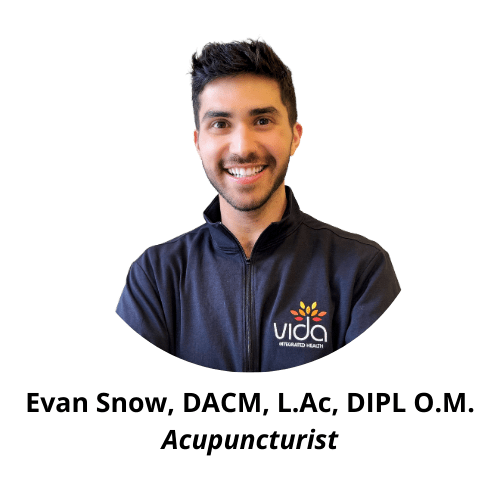
As a Doctor of Acupuncture, I see patients every day who are grappling with the profound effects of this dysregulation. They are seeking more than just temporary calm; they want a way to fundamentally reset their internal thermostat. This guide goes beyond surface-level advice to offer a science-backed explanation of how acupuncture works as a powerful neuromodulatory therapy. We will explore how it doesn’t just soothe symptoms, but actively re-calibrates your nervous system by regulating the autonomic nervous system (ANS), stimulating the crucial vagus nerve, and balancing the stress hormones that fuel the cycle of burnout.
How Does Acupuncture Affect the Nervous System?
For many, acupuncture is primarily associated with pain relief. While it is exceptionally effective for pain, its most profound benefits often lie in its ability to regulate the body’s central control system: the nervous system. Acupuncture is a powerful neuromodulatory therapy, meaning it can change and regulate the activity of your nerves. A growing body of research is illuminating these mechanisms, showing that the autonomic nervous system is a key link to understanding acupuncture’s widespread efficacy (Li et al., 2022).
Rather than just providing a fleeting moment of relaxation, acupuncture can help “retrain” the nervous system’s response to chronic stress. Through a process known as neuroplasticity—the brain’s ability to reorganize itself by forming new neural connections—a course of acupuncture treatments can help create a new, more resilient baseline. It teaches the body how to shift out of a high-alert state more efficiently, building a greater capacity for balance and calm.
The Connection Between Acupuncture and the Autonomic Nervous System (ANS)
The Autonomic Nervous System (ANS) is the “automatic” part of your nervous system, the silent conductor of your internal orchestra. It controls vital functions you don’t have to think about, like your heart rate, breathing, digestion, and blood pressure. Its primary goal is to maintain a state of internal balance, or homeostasis.
Acupuncture acts as a direct line of communication to the ANS. When a fine, sterile needle stimulates an acupuncture point, it sends a signal along nerve pathways to the spinal cord and up to the brain. In response, the brain sends instructions back down to the body, influencing various systems to restore balance. This effect is not just a subjective feeling; it can be objectively measured using biomarkers like Heart Rate Variability (HRV), a key indicator of ANS health that consistently shows improvement in clinical studies of acupuncture (Fucito et al., 2022).
Sympathetic vs. Parasympathetic Nervous System Explained
To understand how acupuncture works, it’s essential to know the two main branches of the ANS:
- The Sympathetic Nervous System (SNS): The “Gas Pedal.” This is your “fight-or-flight” response. It mobilizes the body for action in the face of a perceived threat, whether it’s a looming work deadline or a real physical danger. It increases heart rate, sharpens focus, and diverts energy to your muscles.
- The Parasympathetic Nervous System (PNS): The “Brake Pedal.” This is your “rest-and-digest” (or “feed-and-breed”) system. It conserves energy, slows the heart rate, promotes digestion, and facilitates repair and recovery.
In a healthy individual, these two systems work in a dynamic balance. However, modern life, with its constant stressors, can cause the “gas pedal” to get stuck down. This state is known as sympathetic nervous system overdrive. While an acute stress response is normal and healthy, chronic sympathetic overdrive is a pathological state where the body remains in high alert, leading to a cascade of negative symptoms.
Symptoms of an Overactive Nervous System (Sympathetic Overdrive):
- Cardiovascular: Racing heart or palpitations, high blood pressure, cold hands and feet.
- Musculoskeletal: Chronic muscle tension (especially neck and shoulders), teeth grinding, tension headaches.
- Psychological: Anxiety, irritability, feeling “on edge,” difficulty concentrating, a sense of impending doom.
- Digestive: Indigestion, bloating, constipation or diarrhea (IBS-like symptoms).
- General: Difficulty falling or staying asleep, fatigue, shallow breathing, excessive sweating.
Why Nervous System Regulation Matters for Pain, Stress, and Healing
Living in a state of sympathetic overdrive is incredibly taxing. When your body is constantly primed for a threat, it cannot effectively allocate resources to essential background processes like healing, digestion, and cellular repair. This is why nervous system regulation is not a luxury; it is fundamental to your health.
A chronically overactive SNS worsens pain perception by increasing muscle tension and promoting inflammation. It disrupts sleep architecture, preventing you from reaching the deep, restorative stages of sleep necessary for physical and mental recovery. This creates a vicious cycle: stress causes poor sleep, which increases stress hormones, which further dysregulates the nervous system. The long-term health risks of unchecked sympathetic overdrive are significant and include an increased risk for heart disease, hypertension, and metabolic issues.
True healing requires a decisive shift into the parasympathetic state. This is where acupuncture demonstrates its power. Research has even shown that acupuncture can be a promising therapeutic strategy for conditions involving severe nervous system dysregulation, such as Post-Traumatic Stress Disorder (PTSD) (Kim et al., 2018). This suggests its profound capability to help re-regulate the systems that are thrown off-balance by chronic stress and burnout.
Can Acupuncture Help Regulate the Autonomic Nervous System?
One of the most well-researched effects of acupuncture is its ability to regulate the autonomic nervous system. You can think of it as a master calibrator for your nervous system. It doesn’t just force relaxation; it helps restore the body’s innate ability to self-regulate, shifting from sympathetic dominance back to a state of healthy parasympathetic tone.
The evidence for this is robust. A systematic review of multiple randomized clinical trials published on ScienceDirect concluded that real acupuncture has a superior effect over placebo (sham) acupuncture in increasing parasympathetic tone (Fucito et al., 2022). This provides high-level scientific validation that acupuncture is actively engaging and strengthening the body’s “brake pedal.”
How Acupuncture Activates the Parasympathetic (“Rest and Digest”) Response
The primary way acupuncture calms an overactive system is by robustly activating the parasympathetic nervous system. A key pathway for this activation is the vagus nerve, the main superhighway of the PNS, which we will explore in detail later.
During an acupuncture session, as the PNS becomes more active, patients often report tangible physical sensations. You might notice your breathing becoming slower and deeper, your muscles feeling heavy and relaxed, or even hear your stomach gurgle as your digestive system “wakes up.” These are all positive signs that your body is shifting out of fight-or-flight and into rest-and-digest mode. This shift can be measured objectively by an increase in Heart Rate Variability (HRV), a direct reflection of a healthy, adaptable nervous system.
Acupuncture’s Role in Reducing Sympathetic Overdrive
As acupuncture strengthens the parasympathetic “brake pedal,” it naturally helps ease off the sympathetic “gas pedal.” This is a crucial part of helping the body get “unstuck” from a chronic fight-or-flight state. This effect is mediated through acupuncture’s influence on the Hypothalamic-Pituitary-Adrenal (HPA) axis, the body’s central stress response system (Li et al., 2013).
By helping to regulate this command center, acupuncture quiets the alarm signals that keep the SNS on high alert. Clinically, we use specific acupuncture points known for their profound calming effects on the spirit and nervous system, such as Yin Tang (between the eyebrows), Du 20 (at the crown of the head), and Heart 7 (on the wrist crease), to help downregulate sympathetic overdrive and restore a sense of peace.
How This Balance Supports Recovery, Sleep, and Pain Relief
When your nervous system is balanced, your body can finally pivot from surviving to thriving. The tangible benefits for patients are often life-changing:
- Improved Sleep: A calm nervous system is a prerequisite for deep, restorative sleep. By reducing sympathetic drive, acupuncture helps patients fall asleep more easily and stay asleep longer, allowing the brain and body to properly recover.
- Pain Relief: A balanced ANS reduces chronic muscle tension and lowers systemic inflammation, both of which are major contributors to pain. By shifting the body into a parasympathetic state, pain signals are dampened and the body’s natural healing processes are enhanced.
- Enhanced Recovery: With the nervous system in a “rest and repair” state, resources are allocated to digestion, immune function, and tissue healing, leading to greater resilience and overall well-being.
Does Acupuncture Reduce Stress and Anxiety?
Evidence strongly supports acupuncture as an effective therapy for reducing both the subjective feeling and the physiological markers of stress and anxiety. This effect is achieved by moving beyond the electrical signaling of the nervous system to influence the chemical messengers—our hormones and neurotransmitters.
While many studies show positive effects, it’s important to present a balanced view. For instance, when looking at the stress hormone cortisol, some studies show significant reductions while others do not, indicating that more research is needed to understand the precise conditions under which this effect is strongest. Many factors can contribute to the efficacy acupuncture for stress and anxiety. What other systems are in place for supporting your nervous system? Health foundations such as nutrition, exercise, and sleep, can contribute significantly.
How Acupuncture Lowers Cortisol and the Stress Response
Cortisol is our primary stress hormone. In short bursts, it’s beneficial, but when stress is chronic, cortisol levels can become dysregulated, leading to fatigue, inflammation, and further nervous system imbalance. Acupuncture directly addresses this by influencing the Hypothalamic-Pituitary-Adrenal (HPA) axis, the command center for the stress response.
Research suggests that acupuncture can help regulate this feedback loop. A key finding from a 2013 review in Evidence-Based Complementary and Alternative Medicine is that acupuncture may affect the HPA axis by helping to decrease cortisol concentrations (Li et al., 2013). By calming the initial stress signal in the brain (hypothalamus), acupuncture helps prevent the downstream cascade that results in excessive cortisol production, thereby interrupting the chronic stress cycle.
Acupuncture for Chronic Stress, Burnout, and Nervous System Dysregulation
It’s crucial to distinguish between chronic stress and burnout, a distinction many of my patients find validating.
- Chronic Stress is a state of overwhelm, characterized by over-engagement, hyperactivity, and a feeling of urgency. You feel like you’re drowning in responsibilities.
- Burnout, as defined by researchers, is a state of depletion characterized by three dimensions: emotional exhaustion, depersonalization (cynicism and detachment), and a reduced sense of personal accomplishment. You feel empty and used up.
Acupuncture is uniquely positioned to help with both. For chronic stress, it helps downregulate the overactive sympathetic response. For burnout, it helps to restore the depleted systems and rebuild the body’s foundational energy. It addresses the physiological exhaustion that generic stress management techniques often fail to touch.
How Does Acupuncture Release Endorphins and Improve Mood?
Beyond regulating stress hormones, acupuncture provides another layer of benefit by triggering the release of the body’s own “feel-good” chemicals. This explains the profound sense of well-being and mood improvement many patients report, both during and after a treatment. Foundational research by Dr. Ji-Sheng Han in 2004 was pivotal in demonstrating acupuncture’s powerful effect on the brain’s neurochemistry, particularly endorphins (Han, 2004).
Furthermore, a large-scale 2019 systematic review and meta-analysis on acupuncture for depression concluded that acupuncture was significantly better than no treatment or usual care, and was as effective as antidepressant medication but with fewer side effects (Armour et al., 2019). This provides powerful evidence for its mood-regulating capabilities.
Endorphins, Serotonin, and the Brain’s Natural Pain Relief System
Endorphins are endogenous opioids—your body’s natural pain-relieving and pleasure-creating molecules. Serotonin is a key neurotransmitter that regulates mood, sleep, and appetite. Acupuncture stimulation has been shown to trigger the central nervous system to release these powerful chemicals into the bloodstream (Han, 2004). This is the same neurochemical system activated by activities like vigorous exercise, laughter, or eating a delicious meal, which helps make the concept more relatable and understandable.
Why Acupuncture Can Improve Mood, Pain Perception, and Emotional Resilience
The combined effect of these neurochemical changes is powerful. The release of endorphins provides immediate pain relief and a sense of euphoria, while the regulation of serotonin contributes to a more stable and positive mood. This neurochemical boost, combined with the downregulation of the sympathetic nervous system, creates a potent synergistic effect for overall well-being.
Over a course of treatment, this does more than just provide temporary relief. It helps build emotional resilience. Many patients report that they not only feel less pain or anxiety, but also have a greater capacity to handle daily stressors without becoming overwhelmed. They develop a greater sense of calm and optimism that carries over into their daily lives.
Can Acupuncture Stimulate the Vagus Nerve?
Yes, and this is one of the most exciting and important areas of acupuncture research. Stimulating the vagus nerve is a primary mechanism through which acupuncture activates the parasympathetic “rest and digest” response. Acupuncture offers a safe, non-invasive, and accessible way to influence the nerve pathway and promote its healing benefits.
Research has also demonstrated a direct link between acupuncture, the vagus nerve, and the body’s inflammatory response. A 2016 study found that acupuncture stimulation helped reduce systemic inflammation by activating this specific vagal pathway, highlighting its role in the gut-brain connection and immune regulation (Lim et al., 2016).
What the Vagus Nerve Is and Why It Matters for Relaxation and Healing
The vagus nerve is the longest cranial nerve in your body, a wandering superhighway that connects your brain to your heart, lungs, and digestive tract. It is the main component of the parasympathetic nervous system. The “tone” of your vagus nerve is a measure of its health and function.
Higher vagal tone is associated with a lower resting heart rate, better mood, reduced inflammation, and greater stress resilience. It means your body is better at shifting back into a relaxed state after a stressful event. We can measure vagal tone indirectly but effectively using Heart Rate Variability (HRV). A high HRV is a sign of high vagal tone and a healthy, adaptable nervous system.
How Acupuncture Enhances Vagal Tone and Parasympathetic Activation
Acupuncture stimulates the vagus nerve through several pathways, but one of the most direct is through auricular (ear) acupuncture. The vagus nerve has a small superficial branch in the outer ear, the auricular branch of the vagus nerve (ABVN). Placing acupuncture needles at specific points in the ear directly stimulates this branch, sending a powerful calming signal straight to the brainstem.

One study focusing on this specific mechanism found that auricular acupuncture led to a significant heart rate reduction and an impressive increase in HRV. To enhance this effect even further, practitioners can use electroacupuncture, where a small, gentle electrical current is passed through the needles. This provides a stronger and more sustained stimulation to the nerve, making it a particularly potent method for increasing vagal tone and promoting deep parasympathetic activation.
Conclusion
If you feel stuck in a state of chronic stress, anxiety, or burnout, it’s important to recognize that this is a real physiological state, not a personal failing. Your nervous system is overactive, and the good news is that you can take active steps to change it. Acupuncture offers a powerful, science-backed method to do more than just manage symptoms—it helps to fundamentally re-calibrate your body’s stress response.
By balancing the autonomic nervous system, regulating the HPA axis and cortisol levels, releasing mood-boosting neurochemicals, and directly stimulating the vagus nerve, acupuncture helps retrain your body to find its way back to balance. While many people feel a sense of calm after just one session, the true benefit lies in the cumulative effect. A series of treatments is typically needed to create lasting neuroplastic changes and build true resilience.
If you are ready to move beyond just ‘managing’ your stress and want to take a proactive step toward restoring your nervous system, I encourage you to find a qualified, licensed acupuncturist in your area to discuss a personalized treatment plan for nervous system regulation and burnout recovery.
This article is for informational purposes only and does not constitute medical advice. Please consult with a qualified healthcare professional or licensed acupuncturist for any health concerns or before starting a new treatment plan.

References
- Li, Y., Li, W., Wang, S., Gong, Y., Dou, B., Lyu, Z., Ulloa, L., Wang, S., Xu, Z., & Guo, Y. (2022). The autonomic nervous system: A potential link to the efficacy of acupuncture. Frontiers in Neuroscience, 16. https://doi.org/10.3389/fnins.2022.1038945.
- Li, Q., Shi, G., Xu, Q., Wang, J., Liu, C., & Wang, L. (2013). Acupuncture Effect and Central Autonomic Regulation. Evidence-based Complementary and Alternative Medicine, 2013. https://doi.org/10.1155/2013/267959.
- Kim, Y. D., Heo, I., Shin, B. C., Crawford, C., Kang, H. W., & Lim, J. H. (2018). Acupuncture for the Treatment of Post-traumatic Stress Disorder: A Systematic Review and Meta-Analysis. Journal of Clinical Neurology, 14(3), 299–308. https://www.e-jnc.org/journal/view.php?doi=10.3988/jcn.2018.14.3.299.
- Fucito, E., Tosto, C., & Rasi, D. (2022). Acupuncture increases parasympathetic tone, modulating HRV: A systematic review of randomized clinical trials. Complementary Therapies in Medicine, 70. https://www.sciencedirect.com/science/article/pii/S096522992200108X.
- Amorim, D., Amado, J., Brito, I., Fiuza, S., Amorim, N., Costeira, C., & Machado, J. (2018). Acupuncture and electroacupuncture for anxiety disorders: A systematic review of the clinical research. Complementary therapies in clinical practice, 31, 31-37. https://doi.org/10.1016/j.ctcp.2018.01.008.
- Armour, M., Smith, C., Wang, L., Naidoo, D., Yang, G., MacPherson, H., Lee, M., & Hay, P. (2019). Acupuncture for Depression: A Systematic Review and Meta-Analysis. Journal of Clinical Medicine, 8(8), 1140. https://doi.org/10.3390/jcm8081140.
- Han, J. S. (2004). Acupuncture and endorphins. Neuroscience Letters, 361(1-3), 258-261. https://doi.org/10.1016/j.neulet.2003.12.019.
- Lim, H. D., Kim, M. H., Lee, C. Y., & Namgung, U. (2016). Anti-Inflammatory Effects of Acupuncture Stimulation via the Vagus Nerve. PLoS ONE, 11(3). https://doi.org/10.1371/journal.pone.0151882.
Your Neighborhood
Health Team
Want to schedule and appointment but unsure about your coverage? Easily find out by using our contact us form. We will check your coverage and send you the results!
Contact Us

Can a Chiropractor Help With TMJ?

Six Examples of Functional Medicine

How PEA Could Transform Your Endometriosis Pain Journey

© 2022 Vida Integrated Health. All Rights Reserved.
This website uses cookies for Marketing Purposes. To learn more, see our Privacy Policy.
CONNECT
LOCATIONS
Seattle
Ravenna
Bellevue
Kirkland
Everett